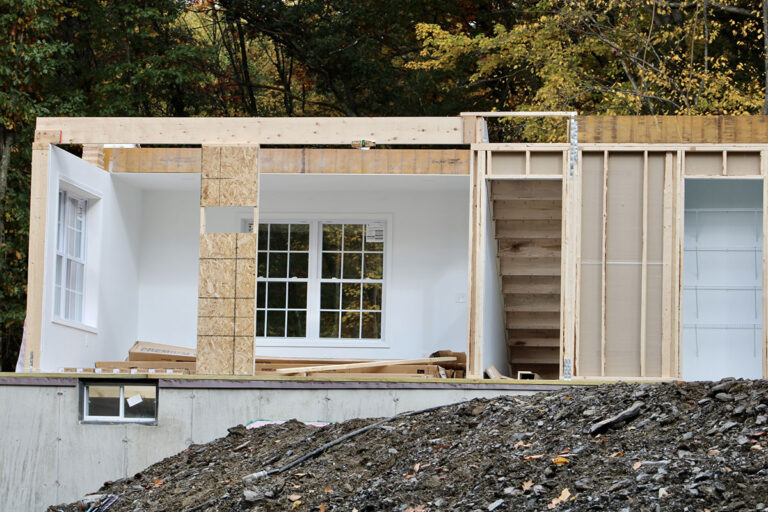
Whether you’re developing a property, beginning new construction, or adding an addition to a home, you’ll need the assistance of a professional land surveyor. Land surveyors play a pivotal role in defining property lines, assessing contours of the earth (topography), and providing critical data for design and construction across a portion of the earth’s surface.
However, if you’ve never worked with a land surveyor before, you may not know how to choose the best one for your needs. What should you ask a Land Surveyor before you hire them? To help you find the right surveyor for your project, here are some of the most important factors to consider.
Choose a Licensed Land Surveyor
In many states, including California, land surveying is a regulated profession; Hiring a licensed surveyor ensures that your survey work is conducted in compliance with state laws and regulations. In addition, a licensed surveyor will have the proper training and experience needed to provide accurate, high-quality surveys. Licensed surveyors are bound to a code of ethics and maintain a high level of professionalism. If for some reason there’s an issue or dispute with the surveyor, you also have recourse to address it through the state board (California Board for Professional Engineers, Land Surveyors, and Geologists).
Tip: Ask for the license number and confirm active status with the state board, —a quick step that protects your project.
Look for a Surveyor Near Your Property
For residential projects, it is always best to look for a company that’s located relatively close to your property, as this can save you money when it comes time to perform the survey (many surveyors bill by the hour, including travel time). Even more importantly, choosing a local company ensures your surveyor will be familiar with the local property law, codes, and ordinances. Local firms also tend to have better on-the-ground knowledge of easements, monuments, and the directions of boundary lines that define neighborhood property lines.
The Importance of Experience
Land surveying involves a substantial amount of expertise in interpreting property deed descriptions and historical property markers, — and proficiency can only be cultivated through years of experience and exposure to diverse property surveys and descriptions. A qualified surveyor must possess a deep understanding of legal principles, mathematics, and engineering. Equally important are a firm’s research skills, —reviewing deeds, subdivision maps, right-of-way documents, and archived field notes, —to resolve conflicting descriptions and to verify the dimensions of any portion of the earth’s surface being surveyed. Choosing a surveyor who has considerable experience will guarantee your survey is conducted with meticulous attention to detail and accuracy.
Factor in Your Finances
Determining the cost of a survey isn’t straightforward, as it hinges on various factors like the survey type, its purpose, available historical data about the property, and the desired level of precision. A reputable surveyor will assess these variables and offer you several options tailored to your property and budget. Before committing, always request a written quote that includes a detailed breakdown of the services covered by the fee.
Clarify the scope in writing, —for example, whether the deliverables include a record of survey, a topographic map showing the contour of the earth, staking for construction, or a boundary retracement with directions of boundary lines labeled on the plat.
Consider Your Timeline
In some cases, property owners may not initially plan to conduct a survey when purchasing a new property or starting construction. Once they realize they need a survey, it’s common for them to want it performed immediately. However, it’s important to realize that surveyors are frequently in high demand and the lead time can be weeks depending on the local economy and how many surveyors are available in your area.
Ask the Land Surveyor about field time, drafting time, and any public-record research windows, —especially if your project requires confirming property lines or establishing the existing site topography (dimensions of any portion of the earth’s surface) for permits.
Check Company Reviews
As with many businesses, checking a surveying company’s reviews can give you an idea of what to expect in terms of service. Look for consistency and common themes among the reviews, as this will give you the clearest picture of what it’s like to work with the company.
Look for cues about communication, schedule reliability, and final deliverable quality (plats, legal descriptions, and digital files).
Other Considerations
Here are some other considerations to keep in mind when searching for a surveyor:
Multiple Proposals:
Don’t feel pressured into choosing a surveyor quickly. Request proposals from different survey firms to compare costs and services. When proposals differ, compare scope line-by-line, —boundary staking, property line marking, and topographic detail can vary.
Expertise Match:
Not all survey firms are suited for every type of project. Larger firms may have more resources but higher overhead costs, while smaller firms can offer cost-effective solutions. Consider the needs of your project and the type of surveys the firm offers. If you need a Land Surveyor for ALTA/NSPS surveys, elevation certificates, or construction staking, verify recent comparable projects.
Project Continuity:
Using the same surveyor for all your project’s needs can be more cost-effective in the long run. Introducing a new surveyor may require them to verify the boundary from scratch, which can potentially lead to delays and additional costs. Continuity helps preserve the measured directions of boundary lines and avoids duplicated research.
Quality and Expertise:
While cost is an important factor, prioritize the quality and expertise of the surveyor. A well-qualified surveyor can provide accurate and reliable results. Ask how they ensure precision in field measurements (GNSS, total stations, and QA/QC in CAD) and how they document the dimensions of any portion of the earth surveyed.
What Should You Ask a Land Surveyor? (Quick Checklist)
- Do you have license in California? Are you in good standing with the state board?
- What deliverables will I receive (map/plat, legal description, CAD files)? And will you clearly label property lines and directions of boundary lines?
- Will the survey include a topographic map showing the contours of the earth for design?
- How do you conduct deed and map research to resolve boundary conflicts (research skills)?
- What is the estimated schedule for field work, drafting, and any required recordings?
- Do you carry Professional Liability Insurance?
Choose Cinquini & Passarino, Inc. for Your Surveying Needs
When it comes to land surveying, the choice you make can have a significant impact on the success of your project. Whether it’s a boundary survey, a topographic survey, or any other surveying requirement, the experience, professionalism, and commitment to quality matter.
At Cinquini & Passarino, Inc., we bring decades of experience to the table. As a California-based Land Surveyor firm, our team of licensed professionals is well-versed in the Bay Area’s unique geographical and regulatory landscape. All in all, we ensure that your survey is highly accurate and compliant with state and local laws. With our expertise, advanced technology, and commitment to transparency and ethics, we provide comprehensive surveying solutions for a wide range of projects.
From topographic mapping the dimensions of any portion of the earth’s surface on complex sites to clearly marking property lines for homeowners, we focus on clarity, precision, and dependable deliverables.
So, contact Cinquini & Passarino, Inc. today to discuss your project and benefit from the expertise and dedication of one of the premier surveying firms in the Bay Area.