What should I look for in a licensed land surveyor?
Before starting a property improvement, design, permitting, financing, or construction project, choosing the right licensed land surveyor can help reduce delays and give your team more reliable information from the start. A qualified surveyor should understand the purpose of the work, the type of survey needed, the final deliverables, and the timeline for the project.
When comparing land surveying firms, look for a team that can clearly explain:
• Their licensing, insurance coverage, and relevant experience
• Which survey service fits your next step
• What the final deliverable will include
• How scheduling, access, and records research may affect timing
• What questions should be answered before fieldwork begins
The right licensed land surveyor does more than measure land. They help clarify site conditions, support better planning, and provide information your team can use with confidence.
At Cinquini & Passarino, Inc., we understand how much depends on reliable survey data. Before a site moves into design, financing, permitting, or construction, the land itself needs to be clearly understood. Professional surveying helps define the conditions, boundaries, and details that shape the next step.
A well-scoped survey can answer practical questions early: Where are the boundaries? What site conditions need to be documented? Will the survey support a design plan, a permit submittal, a lender requirement, or construction layout?
Choosing the right surveying team helps turn those answers into useful direction before the project moves too far ahead.
Start with Licensing, Experience, and Professional Fit
A licensed land surveyor should bring technical skill, professional judgment, and relevant experience to the project. Licensing matters because survey work is often used for legal, design, permitting, lending, or construction purposes. The details need to be accurate, and the work needs to be handled responsibly.
Experience matters, too. A boundary question is different from a commercial ALTA/NSPS survey. A subdivision map is different from construction staking. A topographic survey serves a different purpose than a legal description. The right firm should understand those differences and guide you toward the appropriate scope.
Before hiring, ask a few direct questions:
- Are you licensed and experienced with performing this type of survey work?
- Have you completed similar projects?
- What information do you need before providing a scope?
- Will this survey support the next step we are planning?
- Do you carry professional liability insurance?
At Cinquini & Passarino, we have provided professional land surveying services since 1954. That history matters because survey work often requires both technical precision and practical problem solving.
Match the Survey to the Next Step
Not every project needs the same type of survey. The right scope depends on what you are trying to do next. A survey should be selected based on the decision it needs to support, not just because a survey is generally required.
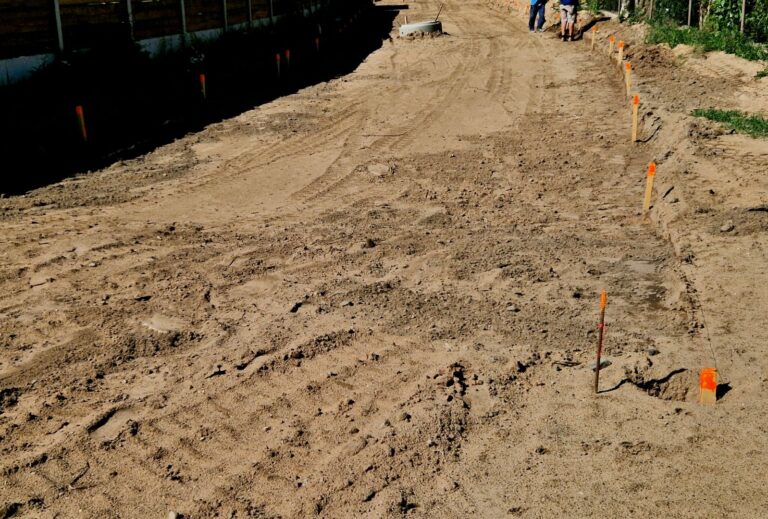
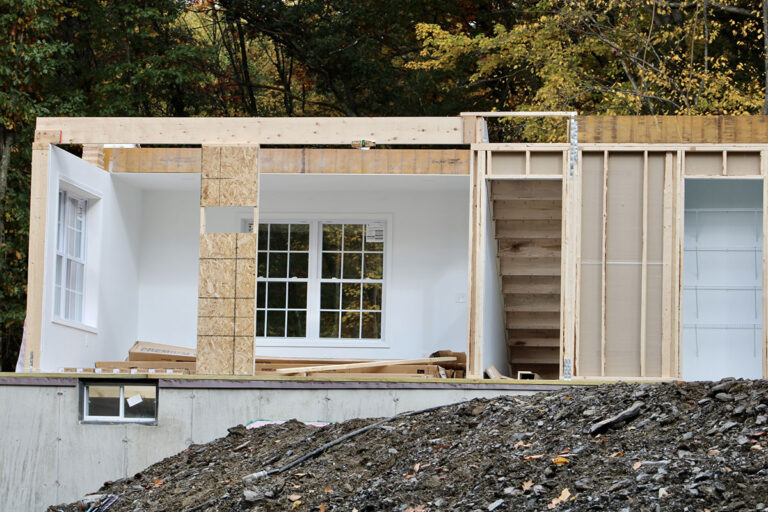
A boundary survey may be needed before planning improvements near a property line. A topographic survey can help a design team understand existing site conditions. An ALTA/NSPS survey may be required for a commercial transaction or lender review. Construction staking becomes important when approved plans need to be laid out in the field.
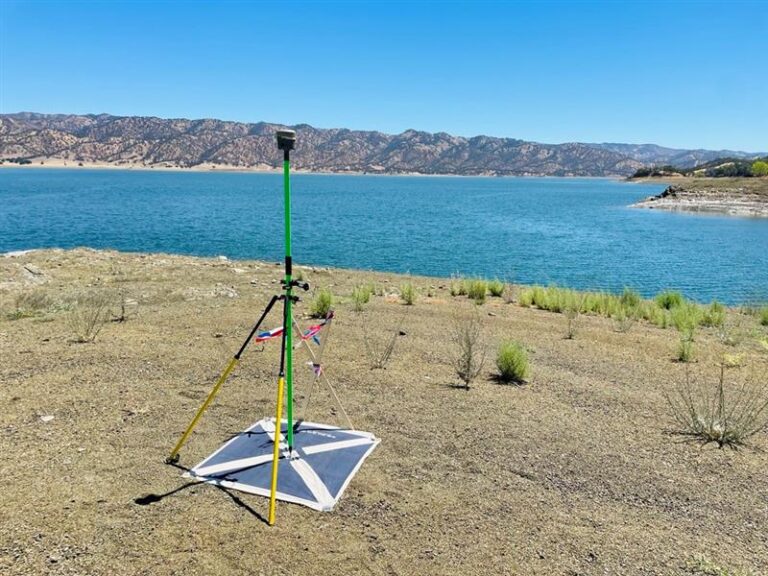
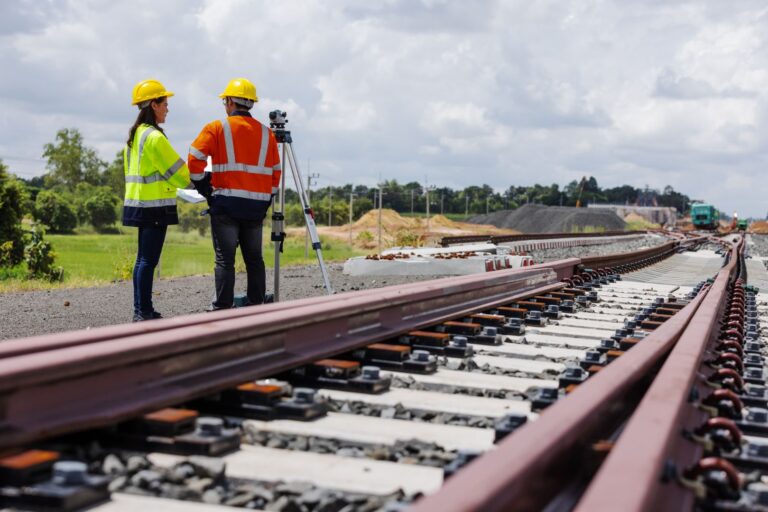
Other projects may require subdivision mapping, legal descriptions, wetland surveying, aerial surveying, hydrographic work, railroad surveying, or other specialty services. The key is to clarify the purpose first.
The better question is not simply, “Do I need a survey?” The better question is, “What does this survey need to help us decide?”
A licensed land surveyor should be able to explain which service fits the project, what it will show, and how the information can be used by the people relying on it.
Clarify What You Will Receive
Survey deliverables should be clear before work begins. The final product may vary depending on the project, but the purpose should always be understood: What will be provided? Who will use it? How will it support the next phase?
For one project, the deliverable may support design. For another, it may be needed for a lender, agency, contractor, or legal description. In some cases, the information may be used to guide field layout before construction begins.
Before hiring, ask:
- What will we receive at the end of the survey?
- How will the final information be delivered?
- Will it meet the needs of the people reviewing or using it?
- What is not included in the current scope?
That last question is important. A clear scope helps prevent confusion later. It also helps everyone understand what the survey will provide before the work is already underway.
Discuss Timing Before the Project Is Waiting on the Survey
Surveying is often one of the first steps in a larger process. That means timing matters. If survey work is delayed, design, permitting, financing, or construction planning may also slow down.
A good surveying partner should provide realistic expectations. Some projects are straightforward. Others require more records research, site access coordination, agency review, or field time.
Before moving forward, ask about the schedule: When can fieldwork begin? What information is needed first? Are there site access issues to solve? Could weather, property complexity, or outside records affect timing?
A realistic timeline is more useful than an optimistic one. Clear expectations help the rest of the project team plan with fewer surprises.
Choose a Team That Communicates Clearly
Technical skill matters, but so does communication. Survey work can affect major decisions, so the process should not feel vague or confusing. The right team should be able to explain what is needed and why it matters.
Before hiring a licensed land surveyor, pay attention to how the early conversation feels. Are they asking thoughtful questions? Are they trying to understand the goal? Are they explaining the next step in a way that makes sense?
A strong surveying team should be able to clarify:
- What type of survey is needed
- What the work will include
- What information they need from you
- How the final deliverable can be used
- When additional research or coordination may be required
Clear communication does not make the work more complicated. It makes the process easier to understand. When expectations are clear from the beginning, clients and project teams can move forward with more confidence.
Build Your Project on Better Information
Choosing a licensed land surveyor before starting a project is about more than checking a box. It is about making sure important decisions are based on accurate, useful information from the beginning. The right team can help clarify the scope, identify the appropriate survey service, explain deliverables, and support better planning before work moves forward.
At Cinquini & Passarino, Inc., we help clients start with dependable survey data and a clearer path forward. If you are preparing for a project and need guidance on the right survey service, contact our team to discuss your next steps.